What are Streets For?
A Parade-Inspired Post

“First and foremost, a great street should help make community… A great street should be a most desirable place to be, to spend time, to live, to play, to work… Streets are settings for activities that bring people together.”
- Allan Jacobs, Great Streets
“A ‘street’ is: (a) a way established on the City Map…”
- NYC Zoning Resolution, Article 1, Chapter 2
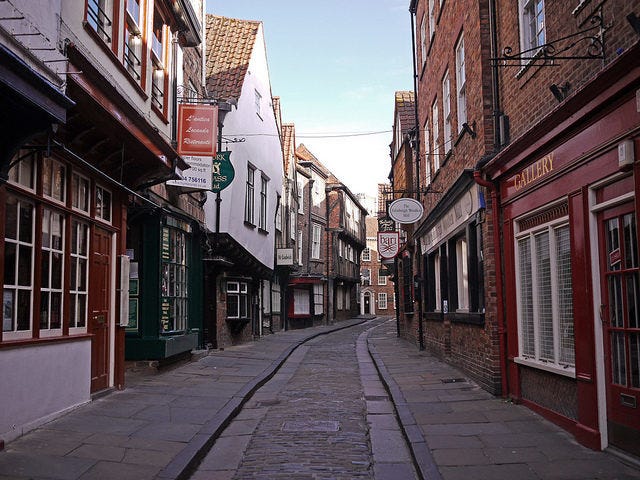
Early summer is parade season. Graduations, pride parades, and the 4th of July all give us reason to gather and celebrate in public spaces. The image feels classically “American”: families and friends are standing together along the route and are watching the performers, bands, and civic organizations march through town. People are tossing candy into the crowd and selling balloons and toys. The community comes together in a spirit of celebration and joy.
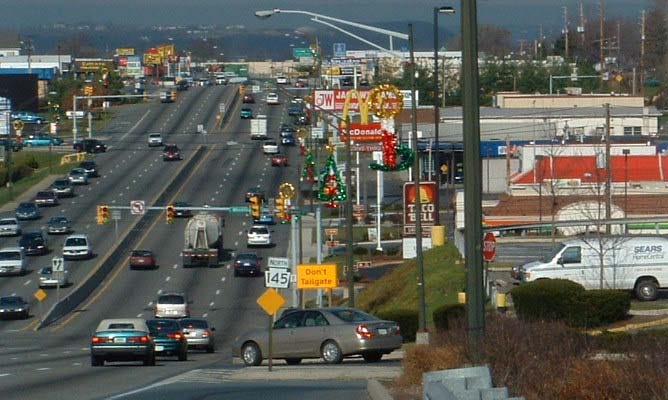
Now picture the parade route on a normal day. If you were standing on the side of the road, what would it look like or feel like? In most places in the U.S. you would just be watching cars fly by. Nobody in their right mind would sit here and watch the street for hours.
This stark contrast is caused by the prioritization of different uses for the same street. The physical environment hasn’t changed at all, but primary use of the street has changed from “parade” to “car traffic”, and this significantly impacts the experience of being on this street.
Here are some other potential uses for streets:
Bike riding
Walking
Shopping
Children playing
Talking to a neighbor
Riding a Vespa
Sunbathing
Rollerblading
Chalk drawing
Playing music
Block partying
Jumping rope
Puddle stomping
Gardening
Protesting
I’m sure that you have done almost all of these things on/by a street at some point in your life. And your memories of these activities are probably fond. But I also bet that this long (and incomplete) list of street-based activities makes up a fraction of what most Americans are doing on the street. That’s because American streets are designed to prioritize a single use: car traffic. As a result, most Americans on most streets are driving most of the time.
If you think about it, this is kind of strange. Streets have been around for millennia, but cars were invented a little over 100 years ago. How did they become so dominant? What happened to all the other street uses? As cars became affordable and popular in the U.S., traffic became an immediate problem. A century of attempts to “fix” the traffic problem has widened streets, increased speeds, and prioritized cars over all other street uses. And very few street uses are compatible with a 4,000 lb. metal vehicle traveling at 30+ miles per hour, so we have handed our streets over to cars.
So what now? The “Open Streets” movement, which reserves streets for non-car uses and has accelerated during COVID, is a place to start. Good programming to show the value of civic spaces can change hearts and minds. Advocating for street designs that facilitate and prioritize pedestrian uses can make streets safer for non-cars. It will take a long time to truly diversify our streets again, but small changes can have a big impact.
Think about all the things we could be doing on the street instead of watching the cars go by. Every day could feel like a parade!
City Speak #6
Bennett